Purchasing rural land, especially for equestrian purposes, involves more than just assessing the aesthetics and acreage. One of the most critical considerations is water rights—who controls the water, how much is available, and how it can be used. This guide will help you understand the basics of water rights, irrigation systems, and why they are essential in horse property transactions.
Understanding Water Rights
Water rights determine who can use water from natural sources such as rivers, lakes, streams, or underground wells. In many areas, water is considered a separate property right from the land itself, making due diligence crucial before purchasing rural real estate.
Types of Water Rights:
- Riparian Rights: Typically found in the eastern United States, riparian rights grant landowners adjacent to a water source the ability to use it reasonably, as long as it does not impede downstream users.
- Prior Appropriation Rights: Common in the western U.S., this doctrine operates on a "first in time, first in right" basis. Those with senior rights have priority access to water, which can be crucial in times of drought. This is how Wyoming operates.
- Groundwater Rights: Accessing and using groundwater often requires permits and compliance with state regulations. Overuse or declining water tables can significantly impact future water availability.
- Adjudicated Water Rights: These are court-decided rights where legal disputes have determined specific usage entitlements.
- Stock Water Rights: These allow landowners to provide water for livestock, often with different legal considerations than agricultural or domestic use.
Importance of Water Rights in Horse Property Transactions
For equestrian properties, adequate and reliable water access is essential. Horses require substantial water consumption—an average of 5 to 15 gallons per horse per day, not including irrigation for pastures and dust control in arenas.
Key factors to assess include:
- Quantity and reliability: Ensure water availability meets current and future needs.
- Usage restrictions: Some rights allow only specific uses, such as irrigation or livestock watering.
- Transferability: Some water rights remain with the land, while others require separate transactions or regulatory approval. In Wyoming all water is tied to the land. It is not possible to retain water rights or sever from the property and sell the shares.
- Seasonal limitations: Some water rights are seasonal, limiting access during critical times of the year.
- Well permits and drilling requirements: If the property relies on wells, verify permitting, depth, and recharge rates.
Evaluating Irrigation Systems
An efficient irrigation system is crucial for maintaining pastures, hay fields, and riding arenas. Consider the following:
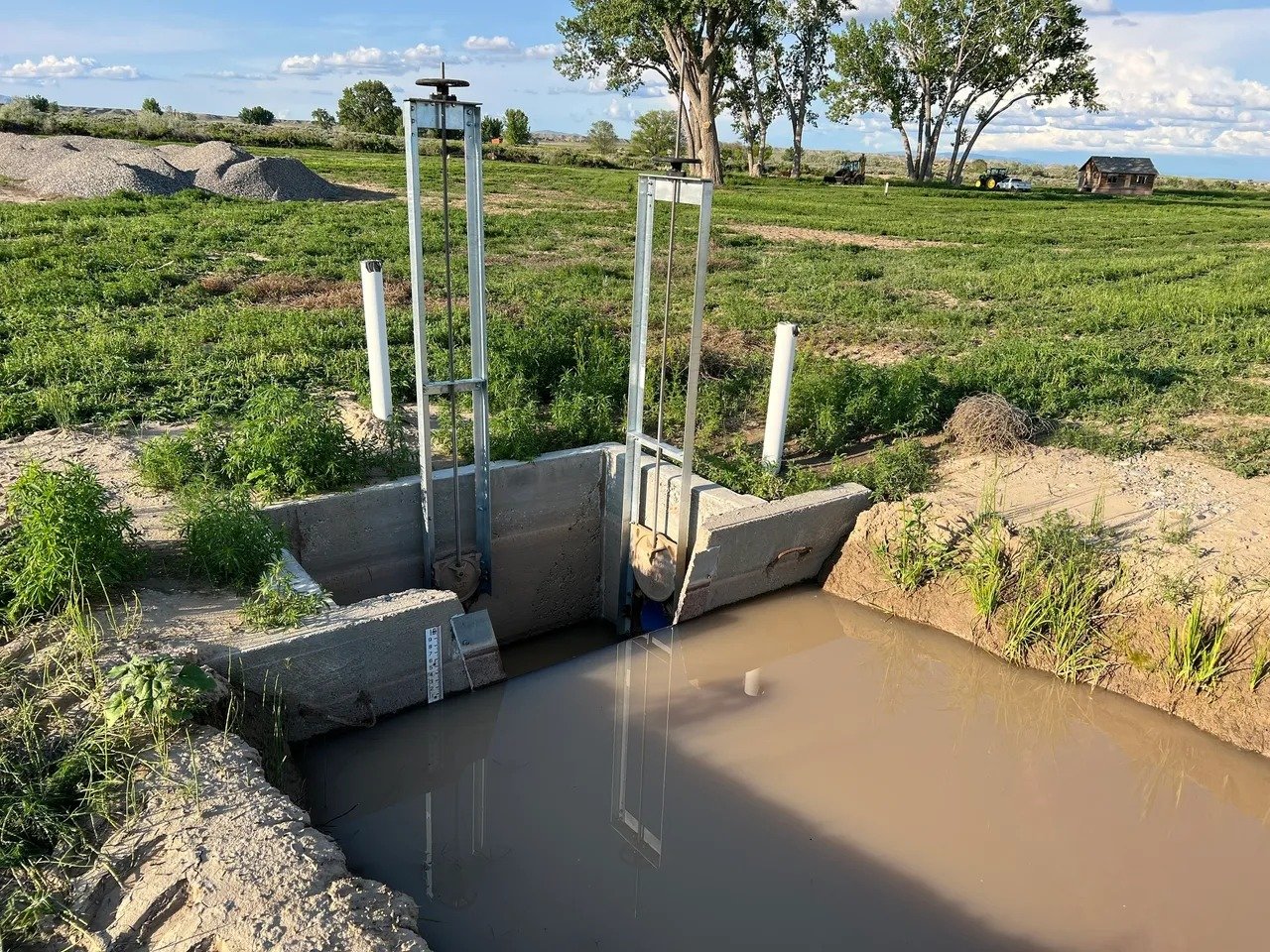
- Irrigation Infrastructure: We check all existing ditches, canals, pivots, gated pipe, sprinklers, and drip irrigation systems.
- Water Storage: Holding ponds, reservoirs, or tanks may be necessary for continuous access during dry seasons and to push water uphill.
- Efficiency and Maintenance Costs: Older systems may require costly upgrades to work efficiently and improve water conservation.
Due Diligence Steps Before Purchasing
- Review Water Rights Documentation: Obtain a water report detailing the water rights associated with the property. This can be done through the state engineer's office, local irrigation district, or a water rights specialist of which we have access to several.
- Check with Local Authorities: Verify water rights with state or local water agencies to confirm their status and any outstanding legal disputes. These include local conservation districts, NRCS, the property's irrigation district, or the State Engineers Office.
- Conduct a Well Inspection: If a well is present, test its flow rate, depth, and water quality. We have several contractors that provide this service at an affordable rate.
- Analyze Historic Usage Data: Determine if the property’s water allocation has been consistently used, as some rights may be forfeited if unused for a certain period. This is very important as water is the gold standard of land in the West. A property's value changes substantially with water rights.
- Consult Water Rights Professionals: Engaging an attorney or water rights specialist can help navigate complex regulations and avoid potential legal issues.
Conclusion
Water rights and irrigation systems are critical components when evaluating rural land purchases, particularly for horse properties. Understanding the legal, practical, and financial implications ensures you secure a property with reliable and sufficient water access. Conducting thorough due diligence will protect your investment and support the long-term sustainability of your equestrian property.